10 At-Home Wellness Tips from a Bucks County Chiropractor
*By Dr. Tony Gardner, Owner — Fairless Hills Chiropractic, serving Morrisville, PA and all of Bucks County*
---
Most people think of chiropractic care as something you do *after* something goes wrong. But the patients I see who feel the best long-term are the ones who bring a few simple habits into their daily lives at home.
You don't need a gym membership or fancy equipment. You need about ten minutes a day and the right information. Here are my top ten at-home wellness tips — the same ones I share with patients right here in Morrisville and across Bucks County.
---
1. Start Your Morning with a Spinal Wake-Up Stretch
Before you reach for your phone, spend 60 seconds waking up your spine. While still in bed:
- **Hug both knees to your chest** and hold for 20–30 seconds. This gently decompresses the lumbar spine after hours of lying still.
- **Drop both knees slowly to one side**, hold 15 seconds, then switch. This releases tension in the lower back and hips.
- **Gently roll your ankles and wrists** to get circulation moving before you stand.
This small ritual makes a real difference in how your back feels for the rest of the day.
---
2. Fix Your Desk Setup Before It Fixes You
I see a lot of patients from the Bucks County area who work from home or commute to desk jobs. Poor ergonomics is one of the leading causes of neck pain, upper back tension, and headaches I treat in my office.
Here's a quick desk audit:
- **Monitor height:** The top of your screen should be at or just below eye level. If you're looking down at a laptop all day, prop it up on books and use an external keyboard.
- **Chair height:** Your feet should rest flat on the floor with your knees at roughly 90 degrees.
- **Keyboard and mouse:** Keep them close enough that your elbows stay near your sides — not reaching forward.
- **Back support:** Use a small rolled towel or lumbar cushion behind your lower back if your chair doesn't support the natural curve of your spine.
> **Pro tip:** Set a timer every 45–60 minutes to stand up, take five deep breaths, and do a quick shoulder roll. That alone can dramatically reduce end-of-day tension.
---
3. Chin Tucks: The Best Exercise You're Not Doing
Forward head posture — where your head juts out in front of your shoulders — is epidemic right now thanks to phones and laptops. For every inch your head moves forward, it adds roughly 10 pounds of effective load on your cervical spine.
The **chin tuck** is the single best corrective exercise for this:
1. Sit or stand tall.
2. Without tilting your head up or down, gently draw your chin straight back — like you're making a double chin.
3. Hold for 5 seconds. Repeat 10 times.
Do this 2–3 times a day. Within a few weeks, most people notice less neck tension and fewer headaches.
---
4. Sleep Positions That Protect Your Spine
How you sleep matters more than most people realize. Here's what I recommend:
**Best position: Side sleeping**
- Place a pillow between your knees to keep your hips, pelvis, and spine aligned.
- Make sure your pillow fills the space between your ear and shoulder — not too flat, not too thick.
**Acceptable position: Back sleeping**
- Place a pillow under your knees to reduce stress on the lumbar spine.
- Avoid very thick pillows under your head, which push your neck into flexion.
**Position to avoid: Stomach sleeping**
- This forces your neck into rotation for hours at a time and flattens the natural curve of your lower back. If you're a stomach sleeper, try transitioning to your side by hugging a body pillow.
---
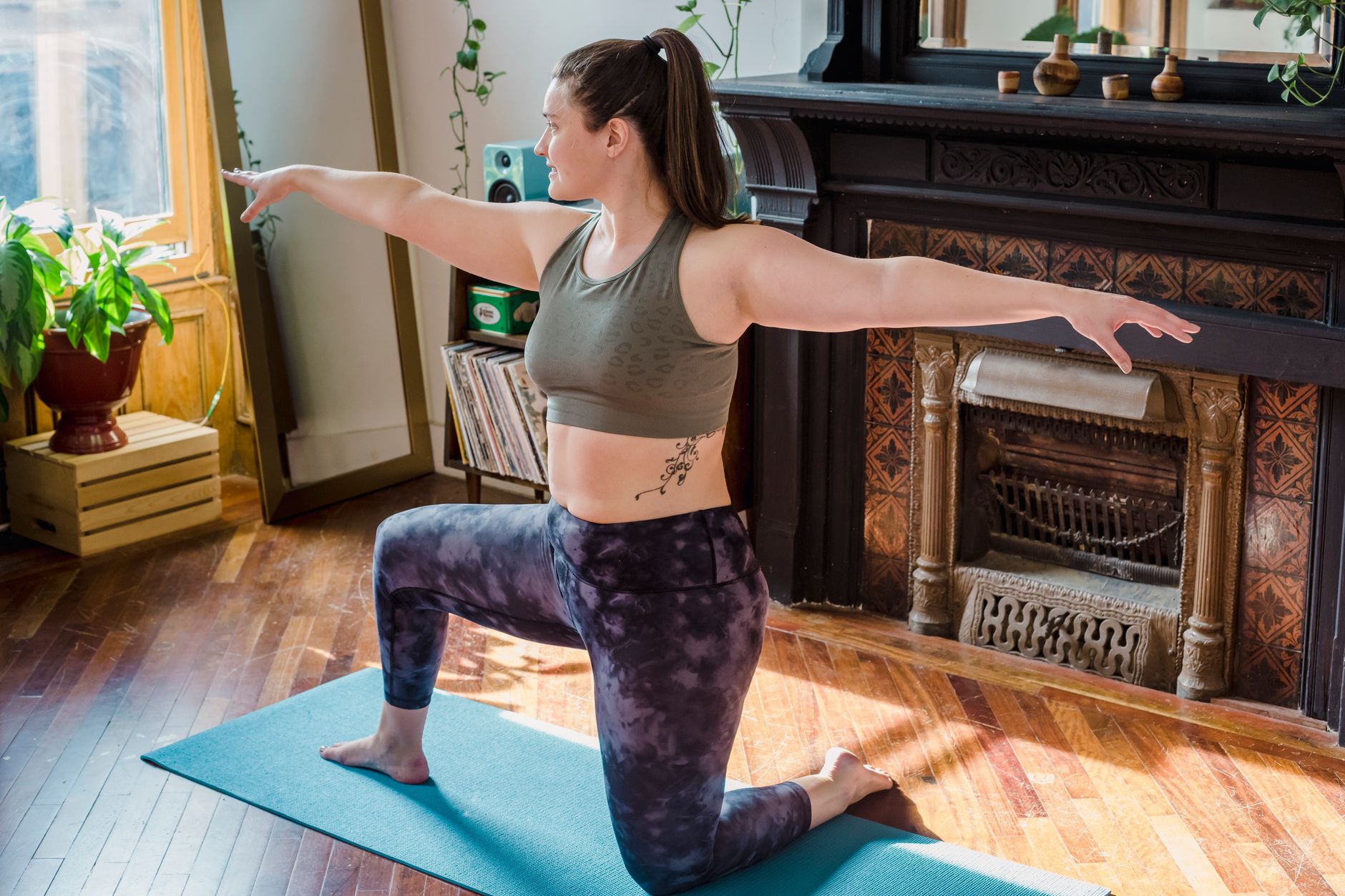
5. Stretch Your Hip Flexors Daily
Sitting shortens the hip flexors — the muscles that connect your lower spine to your thighs. Tight hip flexors tilt the pelvis forward, increase lumbar lordosis, and are a major contributor to low back pain.
**The kneeling hip flexor stretch:**
1. Kneel on your right knee with your left foot forward (like a lunge).
2. Gently push your hips forward until you feel a stretch in the front of your right hip.
3. Hold for 30 seconds. Repeat on the other side.
4. Do this twice daily if you sit for most of the day.
---
6. Strengthen Your Core — Without Crunches
A strong core is your spine's best friend. But traditional crunches can actually increase disc pressure. Instead, try these spine-friendly options:
- **Dead bug:** Lie on your back with arms pointing to the ceiling and knees bent at 90 degrees. Slowly lower one arm overhead while extending the opposite leg. Return and switch sides. Keep your lower back pressed to the floor throughout.
- **Bird dog:** On hands and knees, extend your right arm and left leg simultaneously. Hold 5 seconds. Alternate sides. 10 reps per side.
- **Glute bridge:** Lie on your back, feet flat, knees bent. Push your hips toward the ceiling, squeezing your glutes at the top. Hold 3 seconds. 15 reps.
These exercises are safe for most people, but if you have an active injury, check with me before starting.
---
7. Hydrate for Disc Health
The intervertebral discs in your spine are largely made of water. They absorb shock and maintain the spacing between your vertebrae — but they rely on hydration to do their job.
Dehydration causes discs to lose height and become less resilient, contributing to compression and pain.
**Simple rule:** Drink half your body weight in ounces of water per day as a baseline. If you weigh 160 lbs, aim for 80 oz. More if you're active or it's a hot Bucks County summer day.
Start your morning with a full glass of water before coffee. Your spine will thank you.
---
8. Use Ice and Heat Correctly
Patients ask me about this constantly. Here's the simple breakdown:
- **Ice (cold therapy):** Use within the first 24–72 hours of an acute injury or flare-up. Ice reduces inflammation and numbs pain. Apply for 15–20 minutes at a time with a cloth barrier — never directly on skin.
- **Heat:** Use for chronic tightness and muscle tension — not for acute injuries or inflammation. Heat increases blood flow and relaxes muscles. A heating pad for 15–20 minutes works well.
When in doubt, call my office. Using the wrong one at the wrong time can make things worse.
---
9. Walk More — Even Short Walks Count
Walking is one of the most therapeutic things you can do for your spine. It:
- Pumps nutrients into spinal discs
- Activates core and glute stabilizers
- Reduces stiffness from prolonged sitting
- Improves mood and reduces the perception of pain
You don't need to log miles. A 10-minute walk around your Morrisville neighborhood after lunch is genuinely beneficial. Three short walks a day add up to meaningful movement.
If you're dealing with sciatica or disc issues, walking is usually one of the first things I encourage — with proper guidance.
---
10. Don't Ignore the Warning Signs
At-home wellness habits are powerful — but they're not a substitute for professional care when something is wrong. Please come in if you experience:
- Pain that radiates down your arm or leg
- Numbness, tingling, or weakness in your extremities
- Pain that wakes you from sleep
- Back or neck pain following a car accident or fall
- Headaches that are frequent or severe
- Pain that hasn't improved after a week of home care
These symptoms can indicate something that needs to be evaluated and treated properly.
---
A Note from Dr. Gardner
I've been helping families across Bucks County feel better and move better for years. The tips above are things I genuinely use myself and share with every patient who walks through my door in Morrisville.
The goal isn't just to get you out of pain — it's to help you stay out of pain and live fully. These habits, practiced consistently, make a real difference.
If you have questions about any of these tips, or if you're ready to come in for an evaluation, **[contact our office](https://fairlesshillschiropractor.com/)** or give us a call. We're here for you.
---
*Dr. Tony Gardner is a licensed chiropractor and owner of Fairless Hills Chiropractic, proudly serving Morrisville, PA and the greater Bucks County area. This blog is for informational purposes and does not replace personalized medical advice.*
